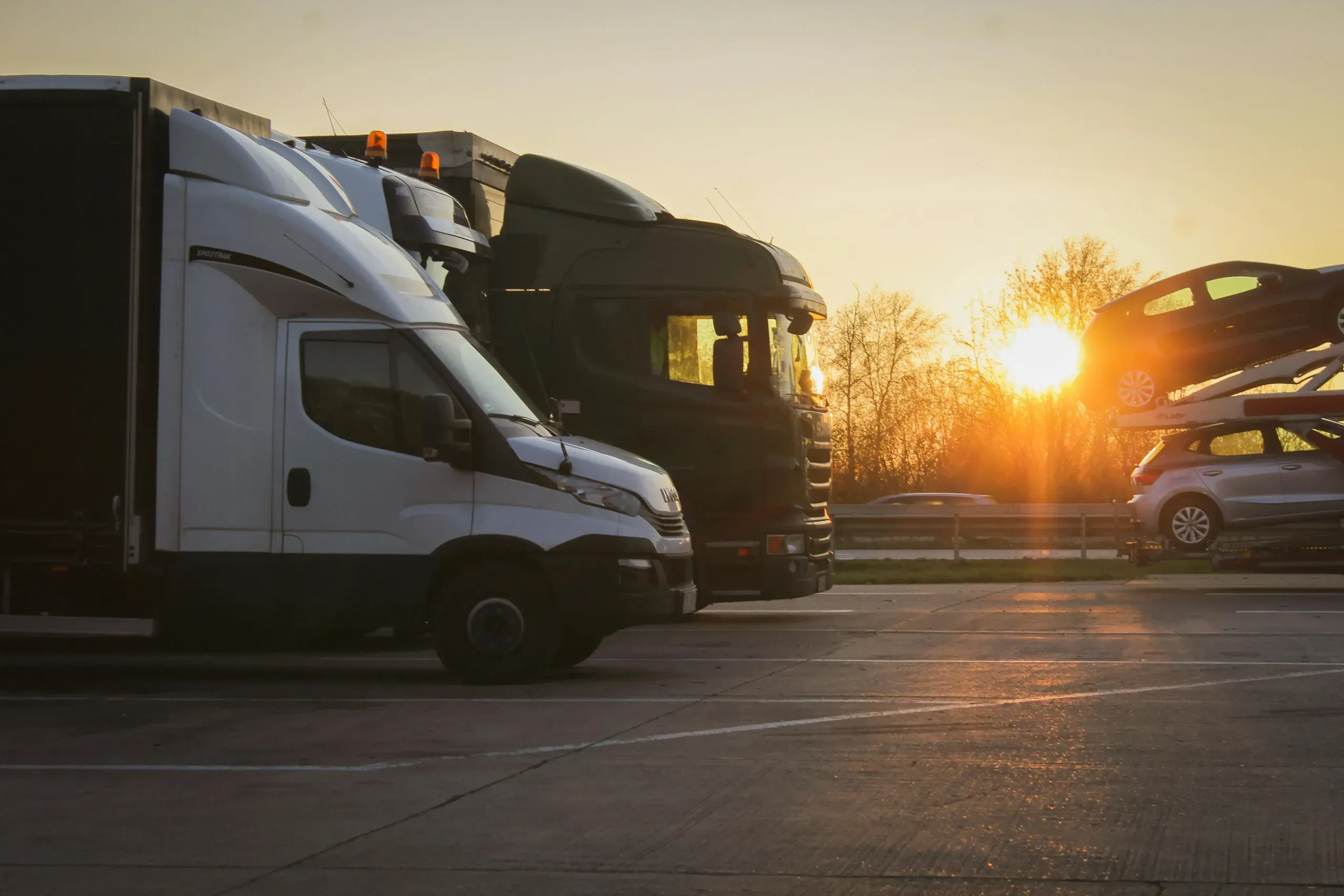
Ship Car from Utah to Iowa
Shipping your car from Utah to Iowa covers 1,108 miles, with a typical transit time of 3 to 5 days once a carrier picks it up. While the nonstop drive takes nearly 16 hours, letting a professional transport your vehicle saves you time, fuel, and wear on your car. This guide walks you through the entire process. We'll break down what it costs to ship a car on this route, compare driving versus shipping, explain the booking steps, and answer the most common questions customers ask.
- No-obligation quote within 2 minutes
- Price all-inclusive
- No charge until driver confirmed
- Distance
- 1,108 mi
- Transit time
- 3–5 days
- Open carrier from
- $1,250
How much does it cost to ship a car from Utah to Iowa?
For a standard 1,108-mile trip from Utah to Iowa, open transport typically ranges from $1,250 to $1,650, while enclosed shipping-which offers maximum protection-runs between $2,375 and $3,175. Transit generally takes 3 to 5 days once your vehicle is loaded. As a referral service, Ship Car Pros connects you with a vetted, independent carrier from our network who handles the physical transport, ensuring your vehicle stays on one trailer for the entire journey without the need for transfers. There are several variables that determine where your final quote lands, including your vehicle’s size, the current demand on I-80, and your level of flexibility regarding pickup dates. We will look at these specific factors in more detail below to help you plan your budget effectively.
What factors affect car shipping cost?
Several specific variables influence your final quote beyond the baseline distance between Utah and Iowa. Understanding how these factors interact helps you manage your budget and set realistic expectations for your shipment:
- Vehicle dimensions and weight: Larger trucks and SUVs require more trailer space and increase fuel consumption.
- Transport type: Selecting enclosed trailers adds significant protection but costs more than standard open options.
- Pickup and delivery flexibility: A wider scheduling window allows carriers to optimize their routes, often reducing your price.
- Seasonal demand: High-traffic times like summer or winter holidays can temporarily increase rates due to limited capacity.
- Route accessibility: Metro hubs are generally more affordable than remote, rural addresses that require drivers to deviate from I-80.
- Vehicle operability: Inoperable vehicles require specialized loading equipment and additional labor, which adjusts the total cost.
These elements work together to define the market rate for your specific vehicle and timeline.
Open vs. enclosed car transport: which should you choose?
Choosing between open and enclosed trailers comes down to your vehicle’s value and your priorities. Open transport is the industry standard, used for roughly 85% of shipments. If you are moving a daily driver, a standard sedan, or a modern SUV, this is the most efficient and cost-effective choice. Your vehicle will be exposed to the elements, just as it would be if you were driving it yourself on I-80.
Enclosed transport is the premium option. It keeps your car in a fully sealed trailer, shielding it from road debris, dust, and harsh weather. This is usually the right move for classic cars, high-value luxury vehicles, or custom builds with low ground clearance. While open transport typically runs around $1,385 for this route, enclosed shipping averages $2,648. It is a significant step up in price, but for a prized vehicle, the added protection brings peace of mind.
- Open carrier
- $1,250–$1,650
- Standard 7–10 car hauler.
- Enclosed carrier
- $2,375–$3,175
- Sealed trailer for high-value vehicles.
How long does it take to ship a car from Utah to Iowa?
You can expect your vehicle to spend 3 to 5 days in transit for the 1,108-mile journey from Utah to Iowa. While the drive might seem quick for a passenger vehicle, transport carriers have to balance loading schedules, fuel stops, and the federal limits on how many hours a driver can be on the road each day. Most drivers cover roughly 400 to 500 miles daily, meaning your car is rarely moving around the clock. Factors like mountain passes along I-80 or unexpected weather can also influence these estimates. We will look closer at the specific logistics of your pickup and delivery windows in the following sections.
Which routes do carriers usually take?
Carriers moving vehicles from Utah to Iowa almost exclusively utilize the I-80 E corridor as their primary artery. After departing the Salt Lake City metro area, drivers navigate the steep ascent through Parleys Canyon before traversing the expansive, high-altitude terrain of Wyoming. Once they cross into the Midwest, the route transitions into the flatter, rolling agricultural landscape across Nebraska and into Iowa. Because I-80 E is a major national freight backbone, it offers the most reliable, consistent transit. Carriers prefer this direct path to avoid the significant mountain grade challenges and elevation shifts found on alternative southern routes through the Rockies.
What can delay your shipment?
While we aim for a smooth transit, certain variables can shift your delivery window. Weather is the most common factor on the I-80 corridor; heavy winter blizzards in the Wasatch Mountains or Iowa’s plains can force temporary road closures or chain-up mandates, slowing progress for safety. Additionally, scheduling can be impacted by timing: weekend pickups are less reliable, and holiday periods often reduce driver availability. If you are shipping from an auction facility, missing documentation-like a gate pin or lot number-will cause immediate delays. Finally, carriers balance multiple loads; fitting your vehicle into an existing route is efficient but requires flexibility to account for traffic or regional construction projects.
Popular Routes
Major city-to-city routes on the Utah → Iowa corridor.
| From | To | Approx. distance | Transit |
|---|---|---|---|
| Salt Lake City, UT | Des Moines, IA | ~950 mi | 3-5 days |
| Ogden, UT | Davenport, IA | ~1,100 mi | 4-6 days |
| Provo, UT | Cedar Rapids, IA | ~1,040 mi | 4-6 days |
| St. George, UT | Iowa City, IA | ~1,220 mi | 4-6 days |
| West Valley City, UT | Waterloo, IA | ~1,020 mi | 4-6 days |
| Logan, UT | Sioux City, IA | ~790 mi | 3-5 days |
| West Jordan, UT | University Heights, IA | ~1,060 mi | 4-6 days |
| Orem, UT | West Des Moines, IA | ~940 mi | 3-5 days |
| Taylorsville, UT | Dubuque, IA | ~1,100 mi | 4-6 days |
| Kearns, UT | Ankeny, IA | ~960 mi | 3-5 days |
How does shipping a car from Utah to Iowa work?
Shipping a car from Utah to Iowa follows a straightforward three-stage process: you request a quote, a carrier collects your vehicle, and the driver delivers it to your destination. First, we gather your route and vehicle details to provide an all-inclusive price. Once you confirm, we match your shipment with a vetted carrier from our network to handle the transport. Finally, the driver coordinates the pickup, manages the inspection process, and handles the logistics of the journey along I-80 until they arrive at your specified delivery location for final payment.
What happens between booking and pickup?
Once you have confirmed your shipment, we move quickly to transition your vehicle from a request into an active load. Here is what happens during the window between your booking and the driver’s arrival:
- Market placement: We post your shipment to our private network, where vetted, independent carriers review the route and load requirements.
- Carrier assignment: A qualified driver accepts the load and is officially dispatched to your pickup location.
- Notification: You receive a confirmation containing the carrier’s contact information, their MC number, and a projected pickup window.
- Coordination: The driver contacts you directly to finalize the specific pickup time based on their current location and traffic along I-80.
- Inspection: Upon arrival, the driver performs a thorough bumper-to-bumper walk-around, documenting the vehicle's condition on the bill of lading with you before loading it onto the trailer.
This sequence ensures clear communication and full transparency before your car ever leaves the origin.
What is a bill of lading (BOL)?
The bill of lading (BOL) is both a contract for transport and a detailed condition report for your vehicle. At pickup, your driver performs a 21-point inspection, documenting existing scratches, dents, or paint issues on this form. You and the driver both sign it before the car is loaded. When the vehicle reaches its destination in Iowa, you will repeat this walk-around. It is vital that you inspect your vehicle thoroughly in good light before signing the final document. If you notice any damage that was not present at the start of the trip, ensure it is noted on the BOL immediately, as this serves as your official record for any insurance claims.
After delivery: registration and inspection in Iowa
Once your vehicle arrives in Iowa, you have 30 days to title and register it at your local County Treasurer’s office. This deadline applies whether you are a new resident or an existing resident who purchased the vehicle out-of-state. You will need to bring your original out-of-state title, a completed Application for Certificate of Title and/or Registration (Form 411007), and proof of identity. If your vehicle is 2011 or newer, provide an odometer disclosure; if it is 8 years old or younger, include a damage disclosure statement. Note that Iowa does not require safety or emissions inspections. Fees, including the registration cost and potential 5% road use tax for new purchases, are calculated based on your vehicle's specifications. You can find detailed forms and office locations at Iowa’s Motor Vehicle Division. Before finalizing everything in Iowa, remember to report your vehicle as sold via Utah’s Motor Vehicle Portal if you sold it, and keep your Utah insurance active until the vehicle is fully registered in your new home state.
How do you verify a car transport company is legitimate?
Legitimate car transport companies, including brokers and referral services, must be registered with the Federal Motor Carrier Safety Administration (FMCSA). The first step in verifying any provider is requesting their Motor Carrier (MC) number and Department of Transportation (DOT) number. You can input these identifiers into the FMCSA’s official "Company Snapshot" tool to confirm their license status, verify their insurance coverage, and check for any history of safety violations or administrative issues.
Beyond federal registration, a reputable company will always provide a written agreement before any work begins. If a company pressures you to pay a deposit or provide credit card information before a specific carrier has been assigned to your vehicle, treat it as a red flag. A transparent provider only collects payment once they have secured a driver for your route.
Finally, look beyond the company’s own marketing materials. Check third-party platforms like the Better Business Bureau (BBB) or Transport Reviews to see unfiltered feedback from past customers. These independent sources provide a clearer picture of how a company handles communication and logistical hurdles. If a company lacks a verifiable online presence or avoids providing their license details, it is best to move on and work with a provider that operates with full transparency.
How do I prepare my car for shipping?
Getting your vehicle ready for transport ensures a smooth experience and helps the carrier safely secure it for the long trip to Iowa. Follow these steps to prepare your car:
- Wash the exterior: Cleaning the car allows you and the driver to accurately identify and document any existing scratches or dents during the initial inspection.
- Photograph the vehicle: Take clear, dated photos of every side, the interior, and the dashboard to serve as your personal record of the car’s condition.
- Clear out belongings: Remove all personal items, toll tags, and parking permits, keeping only up to 100 pounds of belongings in the trunk if necessary.
- Limit your fuel: Keep your gas tank at approximately one-quarter full to reduce total weight while ensuring the driver can still maneuver the car during loading.
- Disable security systems: Turn off all alarms and provide the driver with a complete set of keys, including ignition and trunk.
- Note quirks: Inform the driver of any mechanical issues, like fluid leaks or specific starting instructions, to avoid surprises during transit.
Taking these simple measures protects your vehicle and helps your driver stay on schedule along the I-80 corridor.
Specialty shipments from Utah to Iowa
While standard sedans and SUVs make up most of our shipments, we also coordinate transport for more complex requests. Whether you are buying from an online auction, moving a vehicle that no longer runs, or relocating an entire fleet, we have the network to handle specific logistical requirements. The following sections outline how we manage the unique documentation for auction facilities, the specialized equipment needed for inoperable cars, and the cost-saving benefits of shipping multiple vehicles at once.
How do you ship a car bought at Copart or IAA auction?
Shipping a vehicle purchased from an auction facility like Copart or IAA requires more coordination than a standard residential pickup. Because these locations are highly secure and process thousands of vehicles, they will not release a car without specific documentation. You must provide your assigned lot number, the gate pin for the facility, and your unique buyer number. Additionally, the auction house must have a record of your payment confirmation before they allow a carrier onto the lot.
Because of these strict security protocols and the need for the driver to check into the facility, auction pickups can add 1 to 3 days to your total transit timeline compared to a standard home pickup. We work closely with our carriers to ensure they have all three pieces of required information before they arrive at the auction gate to avoid unnecessary delays or failed pickup attempts.
How do you ship an inoperable car?
Shipping a vehicle that does not run requires specialized equipment. Unlike operable cars that can be driven onto a trailer, an inoperable vehicle must be loaded using a winch to pull it securely onto the bed. For this method to work, the car must still be able to roll, steer, and brake effectively. If the tires are locked or the steering is seized, standard transport may not be possible. Because this process requires extra time, labor, and specific mechanical gear, it adds to the standard shipping rate. Be sure to disclose the vehicle's condition upfront so we can dispatch a carrier equipped with the necessary winching capabilities.
How do you ship multiple cars at once?
Shipping multiple vehicles at once is an efficient way to manage complex moves, such as family relocations, fleet transfers, or purchasing multiple cars from a single seller. When you bundle shipments on the same route, the per-vehicle cost typically decreases compared to booking each car individually. Because carriers maximize their trailer space, consolidating your load makes your shipment more attractive to drivers, often resulting in more streamlined scheduling. We coordinate these moves to ensure all vehicles remain on the same trailer whenever possible, keeping the transit process unified. If your fleet size exceeds the capacity of a single standard trailer, we can arrange multi-truck logistics to maintain a consistent delivery timeline for your entire group.
Is it cheaper to ship a car or drive it from Utah to Iowa?
Deciding whether to ship your vehicle or drive it yourself is a balance of direct costs versus your own time and effort. Shipping a vehicle via open transport typically costs around $1,385. In contrast, driving the 1,108-mile journey yourself involves several out-of-pocket expenses. Based on current AAA driving cost estimates of approximately $0.70 per mile, the per-mile cost for this trip is roughly $776. When you add the cost of at least one overnight stay, typically around $120, your total out-of-pocket expense for driving reaches about $896.
While driving appears to be the less expensive option on paper, it is helpful to consider the non-monetary factors. A non-stop drive requires nearly 16 hours behind the wheel, which is rarely feasible in a single day without extreme fatigue. Most drivers choose to split the trip, adding the logistical burden of booking hotels and managing stops. Shipping eliminates these elements entirely, sparing you from the wear and tear on your vehicle, the cost of fuel, and the physical exhaustion of a long-distance haul. Ultimately, the choice depends on whether you view the drive as an opportunity for a road trip or as a logistical task you would prefer to delegate to a professional carrier.
| Ship it | Drive it | |
|---|---|---|
| Total cost | $1,250–$1,650 all-in | ~$1,015 (fuel + lodging + meals) |
| Your time | 0 hours | ~18 hrs driving + overnight |
| Wear & tear | None | 1,108 mi added; ~$0.10/mi depreciation |
| Risk | Insured in transit | Personal liability + fatigue |
For most Utah → Iowa shipments, ship is the better value once time and depreciation are counted.
Frequently asked questions
How much does it cost to ship a car from Utah to Iowa?
The cost to ship a car from Utah to Iowa typically ranges from $1,250 to $1,650 for standard open transport. For enclosed transport, which offers more protection, the price is generally between $2,375 and $3,175. Your final quote will depend on factors like your vehicle’s size, the time of year, your scheduling flexibility, and specific pickup and delivery locations.
How long will my car be on the road from Utah to Iowa?
Once your vehicle is picked up, the transit time from Utah to Iowa is typically 3 to 5 days. This estimate accounts for the 1,108-mile distance and federal regulations that limit solo drivers to approximately 400 miles per day. This timeline does not include the initial window for the carrier to arrive for pickup, which can vary based on their schedule and route.
What's the difference between open and enclosed auto transport?
Open transport is the standard, more affordable option where your vehicle is carried on a multi-car trailer, exposed to weather like it would be if you drove it. Enclosed transport costs more because your vehicle is shipped inside a sealed trailer, protecting it completely from road debris, dust, and weather. Enclosed is typically recommended for classic, luxury, or high-value vehicles.
Is my vehicle insured during transit?
Yes, your vehicle is fully insured under the carrier's cargo insurance policy from the moment it's picked up until it is delivered. This coverage is bumper-to-bumper with a zero deductible and is included in your quoted price. Any potential damage that occurs during transport is documented on the bill of lading and covered by the carrier's policy.
When is my credit card charged for the deposit?
Your credit card is not charged when you book your shipment. The deposit is only processed after a specific carrier has been assigned to your route and is officially dispatched for pickup. The remaining balance is paid directly to the driver at the time of delivery, typically in cash, certified check, or via a digital payment app if the driver accepts it.
Do I need to be present for pickup in Utah or delivery in Iowa?
No, you do not need to be personally present at either end. You can designate any trusted adult, such as a family member, friend, or dealership representative, to hand over the keys and sign the initial inspection report at pickup. The same applies at delivery, where your designated contact can receive the vehicle and sign the final bill of lading.
Can the carrier deliver my car on a weekend?
Yes, carriers frequently deliver vehicles on weekends. Once a driver is en route, their primary goal is to reach the destination and unload, regardless of the day of the week. While weekend deliveries are common, weekend pickups can be less reliable as many drivers take time off, so a Friday booking may not be picked up until the following Monday or Tuesday.
What is a bill of lading and why is it important?
A bill of lading (BOL) is a critical document that serves as both a receipt for your vehicle and a detailed condition report. The driver completes it with you at pickup to note any existing scratches or dents. You'll review this same document at delivery to confirm no new damage occurred during transit. It is the primary document used for any insurance claims.